
If you’ve been thinking about replacing your kitchen cabinets, you’ve probably experienced a bit of sticker shock. Over the past several years, the cost of materials, labor, transportation, and manufacturing has continued to climb, leaving many homeowners wondering if now is the right time to remodel.
While rising prices can be discouraging, replacing your cabinets can still be one of the smartest investments you make in your home—especially when approached with careful planning.
Why Have Cabinet Prices Increased?
The price of kitchen cabinets isn’t driven by one factor alone. Several economic pressures have combined to increase costs, including:
- Rising lumber and engineered wood prices
- Higher transportation and freight costs
- Increased manufacturing expenses
- Labor shortages in skilled trades
- Inflation affecting nearly every component of production
These costs impact everything from hardware and finishes to delivery and installation.
Waiting May Not Save You Money
Many homeowners decide to postpone their remodel, hoping prices will eventually come back down. While markets fluctuate, history has shown that construction costs rarely return to previous levels. Instead, they often stabilize before continuing to increase gradually over time.
Waiting another year could mean paying more—not less—for the same project.
Cabinets Are a Long-Term Investment
Unlike trendy décor or appliances that may need replacing every decade, quality cabinetry can last 20 to 30 years or longer when properly installed and maintained.
When viewed over its lifespan, the annual cost of quality cabinets is surprisingly reasonable. Investing in durable materials and professional installation often reduces future repair and replacement expenses.
Focus on Value Instead of Price
The lowest quote isn’t always the best deal.
A quality cabinet project should include:
- Durable construction
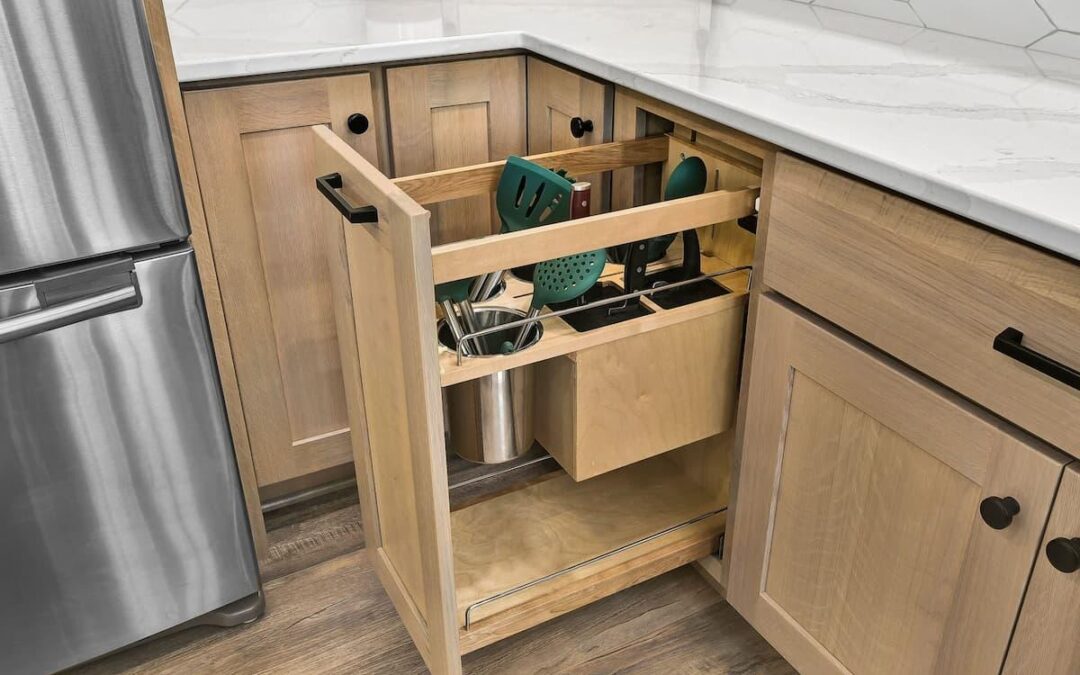
- Functional storage solutions
- Professional installation
- Accurate measurements
- Reliable scheduling
- Warranty support
Poor installation or inferior materials can lead to costly repairs that quickly erase any upfront savings.
Ways to Stay Within Budget
If today’s prices are stretching your budget, there are still ways to create a beautiful kitchen without sacrificing quality.
Consider:
- Keeping your existing kitchen layout to avoid plumbing and electrical changes.
- Mixing premium cabinets with more economical options in less-visible areas.
- Choosing timeless finishes instead of expensive custom upgrades.
- Prioritizing functional storage features you’ll use every day.
- Planning your project early to avoid rushed decisions and unexpected costs.
Whitewolf cabinet designers can help you prioritize your needs to stay within your budget.
The Hidden Cost of Delaying
Beyond inflation, there are other costs associated with waiting.
Older cabinets often develop issues like failing drawer slides, worn hinges, water damage, and inefficient storage. Living with a kitchen that doesn’t function well can become increasingly frustrating, especially if you’re planning to stay in your home for many years.
If you’re preparing to sell, an outdated kitchen can also affect buyer perception and resale value.
Final Thoughts
There’s no denying that replacing kitchen cabinets is more expensive today than it was just a few years ago. However, waiting for prices to fall may leave you paying even more later.
Instead of focusing solely on today’s price tag, consider the long-term value your new cabinets will provide. A thoughtfully planned kitchen remodel improves your home’s functionality, enhances its appearance, and adds lasting value.
In times of rising costs, the smartest investment isn’t always the cheapest option—it’s choosing quality, planning carefully, and partnering with professionals who will do the job right the first time.